4 Common Equine Lameness Cases We Treat in New England
As equine veterinarians practicing in New England, we encounter a wide variety of conditions that affect a horse's soundness. The changing seasons and diverse riding disciplines in our region often contribute to specific mobility issues. Understanding the frequent causes of lameness in horses helps us partner with you to keep your equine companions comfortable and active.
Navigating Equine Osteoarthritis
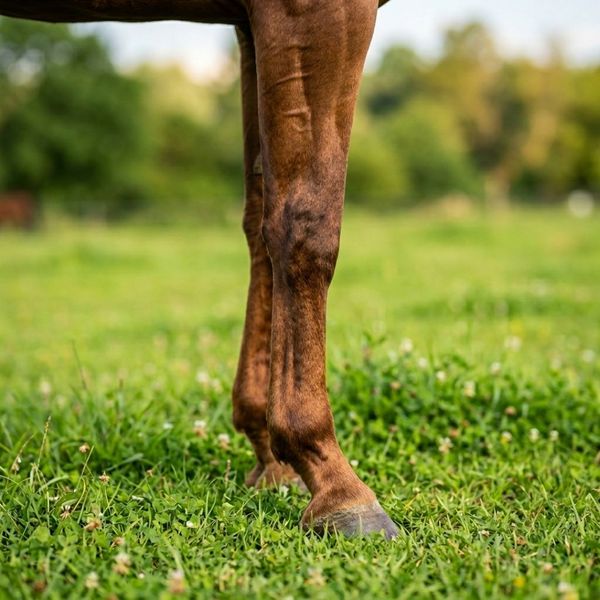
Equine osteoarthritis is one of the most frequent equine lameness cases we diagnose, especially in older or highly active horses. The progressive wear and tear on joints causes significant discomfort and stiffness. When treating horse lameness related to arthritis, our focus shifts toward managing inflammation, slowing joint degradation, and improving the horse's overall daily comfort.
Managing the Painful Horse Hoof Abscess
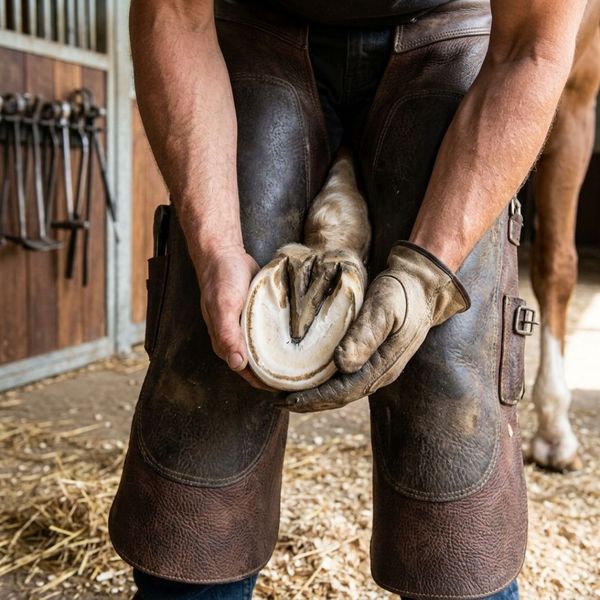
The muddy springs and wet autumns of New England frequently lead to a very common horse lameness issue: the horse hoof abscess. These localized bacterial infections build painful pressure within the hoof capsule, often causing sudden, severe lameness. By carefully locating and draining the abscess, we can typically provide immediate relief and initiate a rapid recovery.
Addressing Soft Tissue and Ligament Injuries
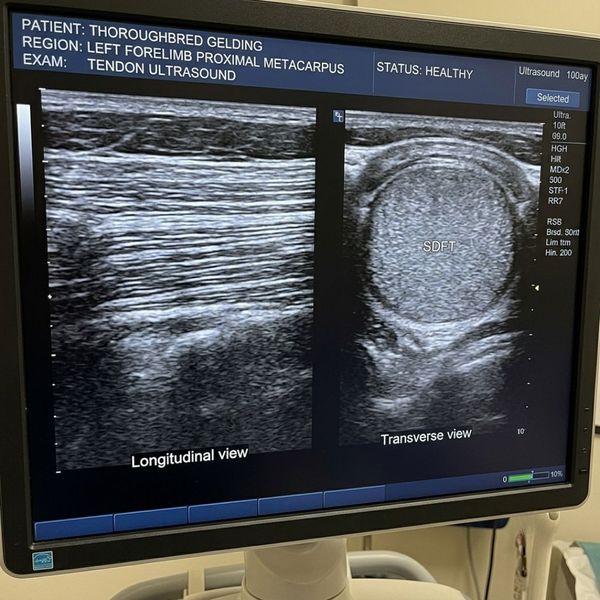
Soft tissue injuries, particularly those involving suspensory ligaments or deep digital flexor tendons, frequently contribute to underlying causes of lameness in horses. Navigating uneven terrain or sudden slips in the pasture can trigger these damaging strains. We utilize advanced ultrasound imaging to pinpoint the exact location of the tear, ensuring we develop an accurate, targeted rehabilitation plan.
Recognizing and Treating Laminitis
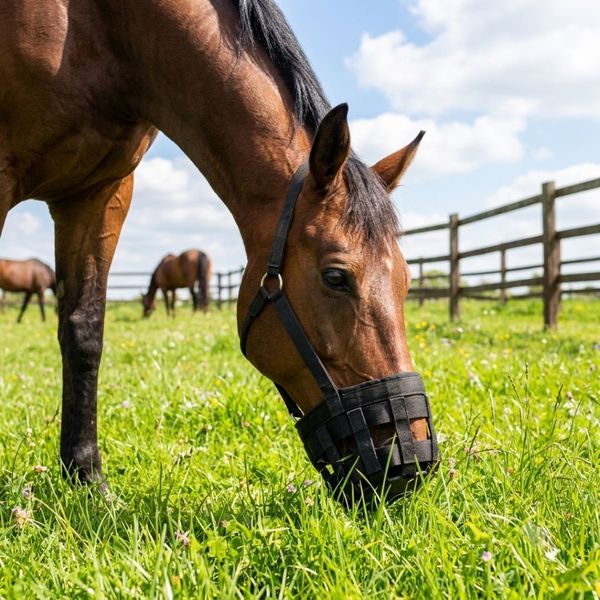
Laminitis remains one of the most serious equine lameness cases we encounter in our practice. The lush, rich pastures of early spring pose a significant risk for triggering this painful inflammation of the sensitive hoof laminae. Successfully treating horse lameness caused by laminitis requires immediate veterinary intervention, dietary management, and customized corrective farrier work.
Get Started Today
Promptly identifying and addressing these common equine lameness cases is vital for your horse's long-term health and athletic longevity. By understanding the underlying causes of lameness in horses, we can implement effective management and treatment strategies. At Raven Rock Large Animal Hospital, our dedicated team is here to support your horse's soundness journey. If you are concerned about your horse's mobility, we encourage you to explore our comprehensive veterinary services or contact us to schedule an evaluation today.