Identifying Early Signs of Equine Lameness: Why Prompt Veterinary Care Matters
Maintaining the health and performance of your horse requires a vigilant eye and a proactive approach to wellness. Lameness is rarely a sudden event; instead, it often begins with whispered clues that can be easily missed by the untrained eye. Recognizing these early warning signs is the first step in ensuring your equine partner remains comfortable and capable of performing at their best.
Subtle Gait Changes and Rhythm Inconsistencies
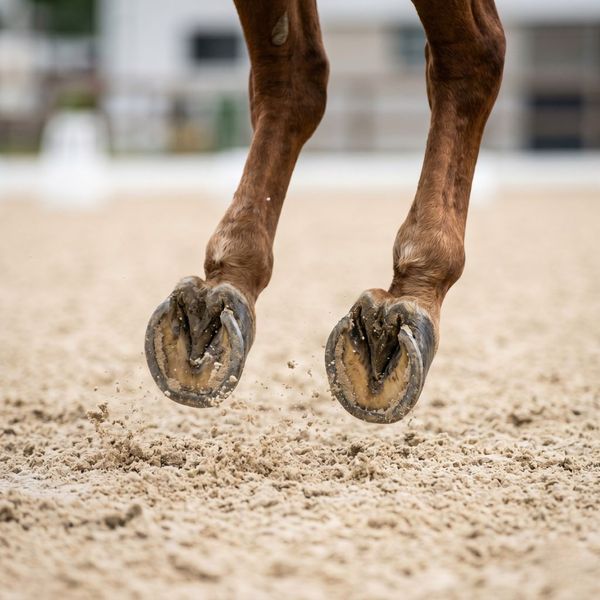
We often find that the earliest indicators of lameness are not obvious limping but subtle changes in a horse’s movement. You might notice a shortened stride length or a slight head bob when the horse is working on a circle. Monitoring these minor rhythm inconsistencies allows us to intervene before a minor issue becomes a career-threatening injury.
Behavioral Shifts and Resistance Under Saddle
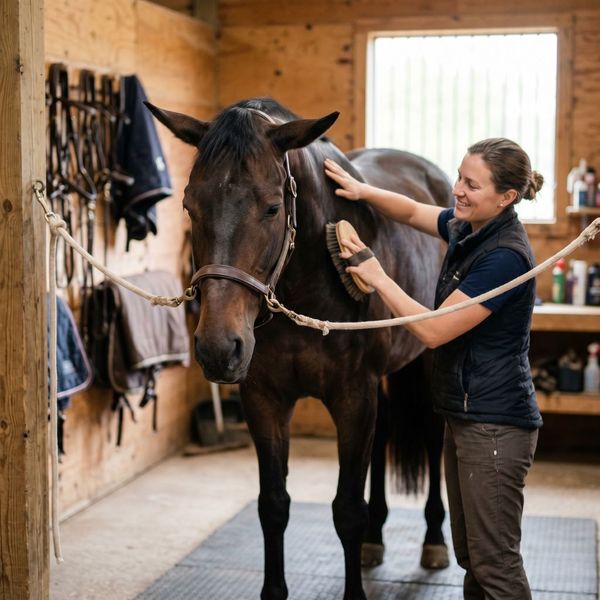
When a horse begins resisting commands or showing pinning ears during tack-up, it is frequently a sign of underlying discomfort. We see many sport horses that suddenly refuse jumps or struggle with lead changes. These behavioral shifts are often a horse's only way of communicating pain, making a professional evaluation essential to their long-term welfare.
Detecting Heat, Swelling, and Physical Changes
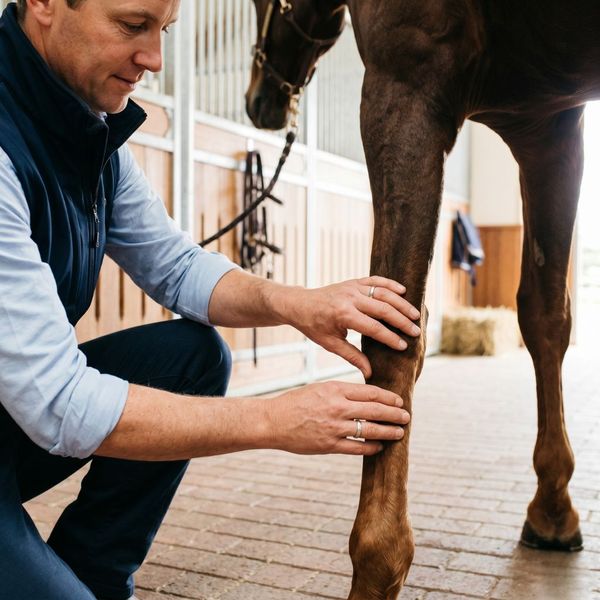
Regular palpation of your horse’s limbs is a critical habit we recommend for every owner. Feeling for localized heat, unusual swelling, or digital pulses can reveal inflammation before visible lameness occurs. Identifying these physical changes early enables our team to implement cooling therapies or rest protocols immediately, significantly improving the prognosis for a full and healthy recovery.
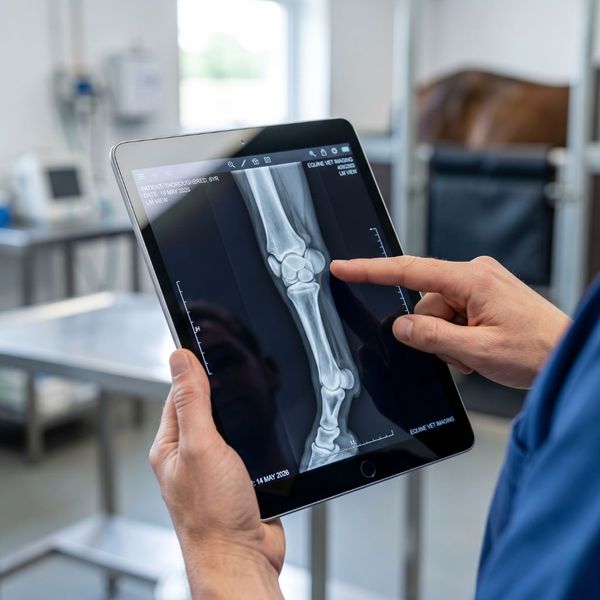
The Role of Advanced Diagnostic Imaging
Utilizing high-quality diagnostic imaging is the gold standard for pinpointing the exact source of equine discomfort. Our advanced tools, including digital radiography and ultrasonography, allow us to visualize soft tissue and bone structures with incredible precision. By identifying the specific lesion or joint issue early, we can tailor a precise treatment plan that ensures a faster return to soundness.
Get Started Today
Early detection of lameness is the key to longevity for any horse, whether they are a high-level athlete or a beloved trail companion. By staying attuned to subtle gait changes, behavioral shifts, and physical symptoms, you can ensure your horse receives the care they need before a small issue escalates. At Raven Rock Large Animal Hospital, we are dedicated to providing the comprehensive evaluations and diagnostic imaging necessary to keep your horses thriving. If you have concerns about your horse's movement, we invite you to explore our sport horse services or reach out to our team to discuss a wellness evaluation.