The Step-by-Step Guide: What to Expect During an Equine Lameness Exam
As horse owners, noticing a change in your horse's gait or willingness to perform can be incredibly stressful. Whether you are managing a competitive sport horse or a beloved companion, identifying the root cause of discomfort is essential for their long-term health and soundness. We understand how concerning it is when your horse just does not feel quite right. Our comprehensive approach to diagnosing horse lameness ensures that no stone is left unturned. During a large animal vet lameness exam, we evaluate your horse in motion and at rest to pinpoint the exact source of pain. Here is a step-by-step breakdown of what you can expect when we conduct an equine lameness exam.
Taking a Comprehensive Medical History
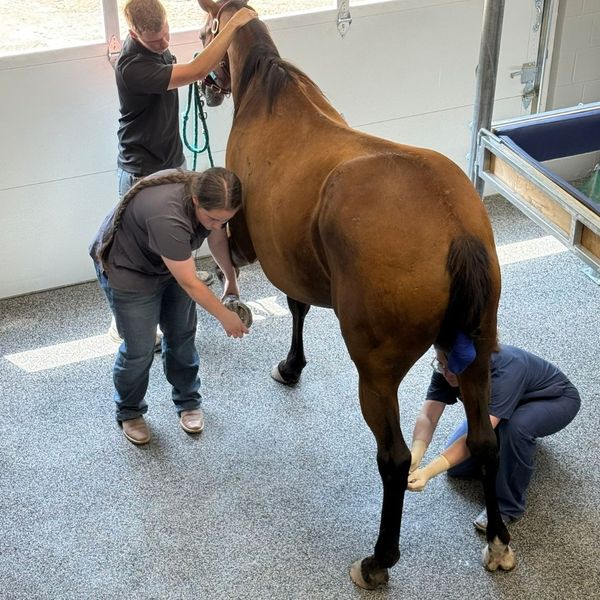
Before we ever ask your horse to move, we start by gathering a detailed medical history. We discuss their current workload, previous injuries, and the timeline of the current issue. Understanding these vital clues helps us build a foundation for the horse lameness evaluation and ensures we consider all environmental and management factors affecting their soundness.
The Hands-On Physical Evaluation
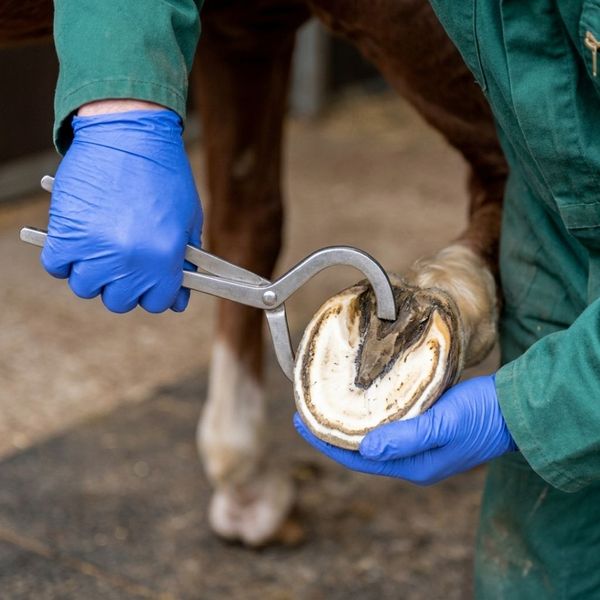
Next, we conduct a thorough hands-on physical inspection of your horse. We carefully palpate their limbs, back, and neck to check for heat, swelling, and abnormal sensitivities. We also utilize hoof testers to apply gentle pressure across the feet, which helps us quickly identify localized hoof pain during the initial stages of an equine lameness exam.
Assessing the Horse in Motion
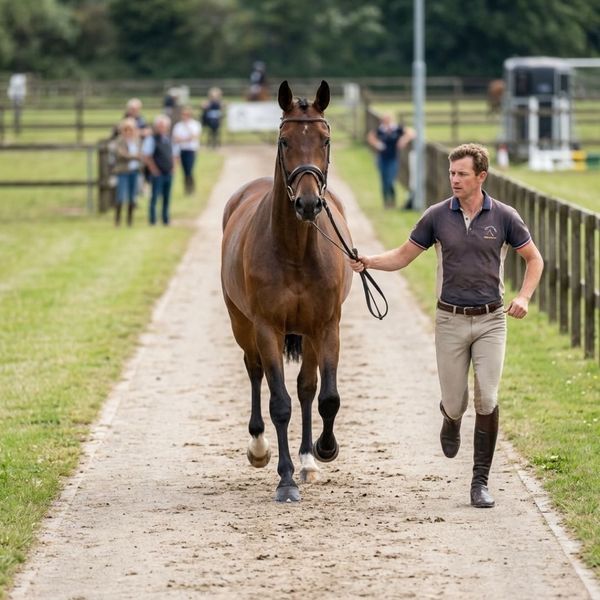
After the physical assessment, we need to observe your horse moving on various surfaces. We watch them walk and trot in straight lines and on a lunge line. This dynamic observation is a critical component of diagnosing horse lameness, allowing us to accurately assess their stride length, foot placement, and overall symmetry while carrying their own weight.
Performing Flexion Tests and Diagnostics
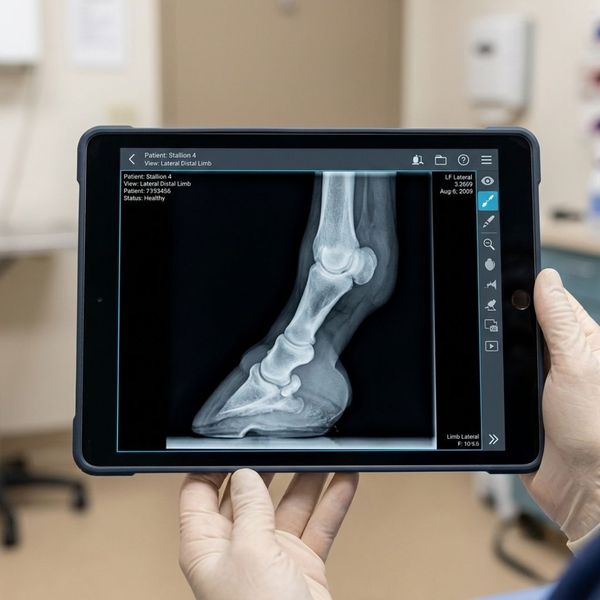
Finally, we incorporate specific flexion tests in horses to isolate joint pain. We hold a targeted joint in a flexed position before asking the horse to trot off. If lameness worsens, we successfully narrow down the problem area. From there, we may recommend advanced diagnostics, like digital imaging or nerve blocks, to confirm the exact diagnosis.
Get Started Today
Identifying the source of discomfort is the first crucial step toward getting your horse back to peak performance and comfort. A thorough history, hands-on physical examination, dynamic movement analysis, and targeted flexions provide us with the essential answers needed for proper treatment. At Raven Rock Large Animal Hospital, our experienced mobile veterinary team is dedicated to providing comprehensive care and advanced diagnostics right where your animals live. If you have noticed a change in your horse's gait, we encourage you to read more about our ambulatory care services or reach out to our team to discuss your concerns.