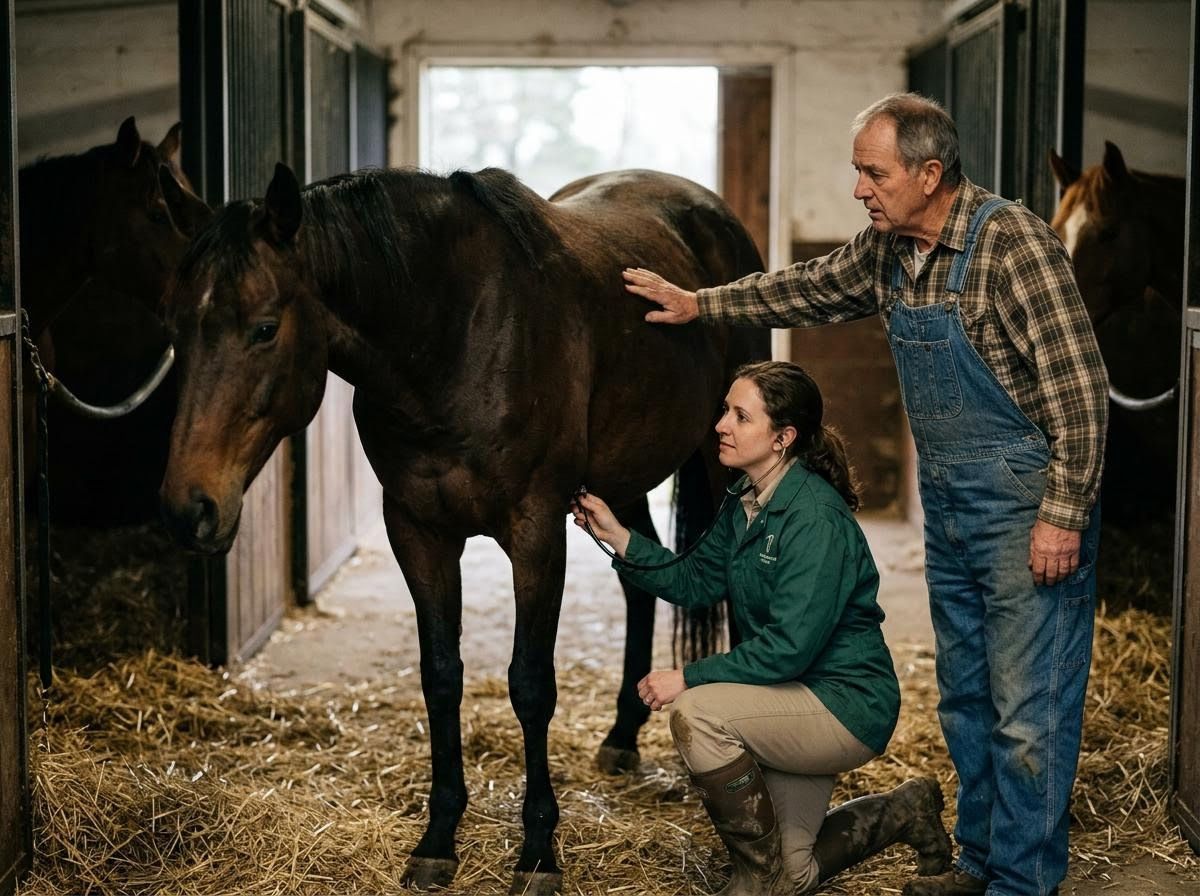
The health and well-being of your large animals are paramount, and knowing when a situation requires immediate veterinary attention can make all the difference. Recognizing the signs of an emergency promptly is crucial for favorable outcomes, often meaning the swift intervention of a dedicated team. At Raven Rock Large Animal Hospital, led by Dr. Rebecca Rifkin, DVM, PhD, we understand the unique challenges large animal owners face and are committed to providing expert, timely care when it matters most.
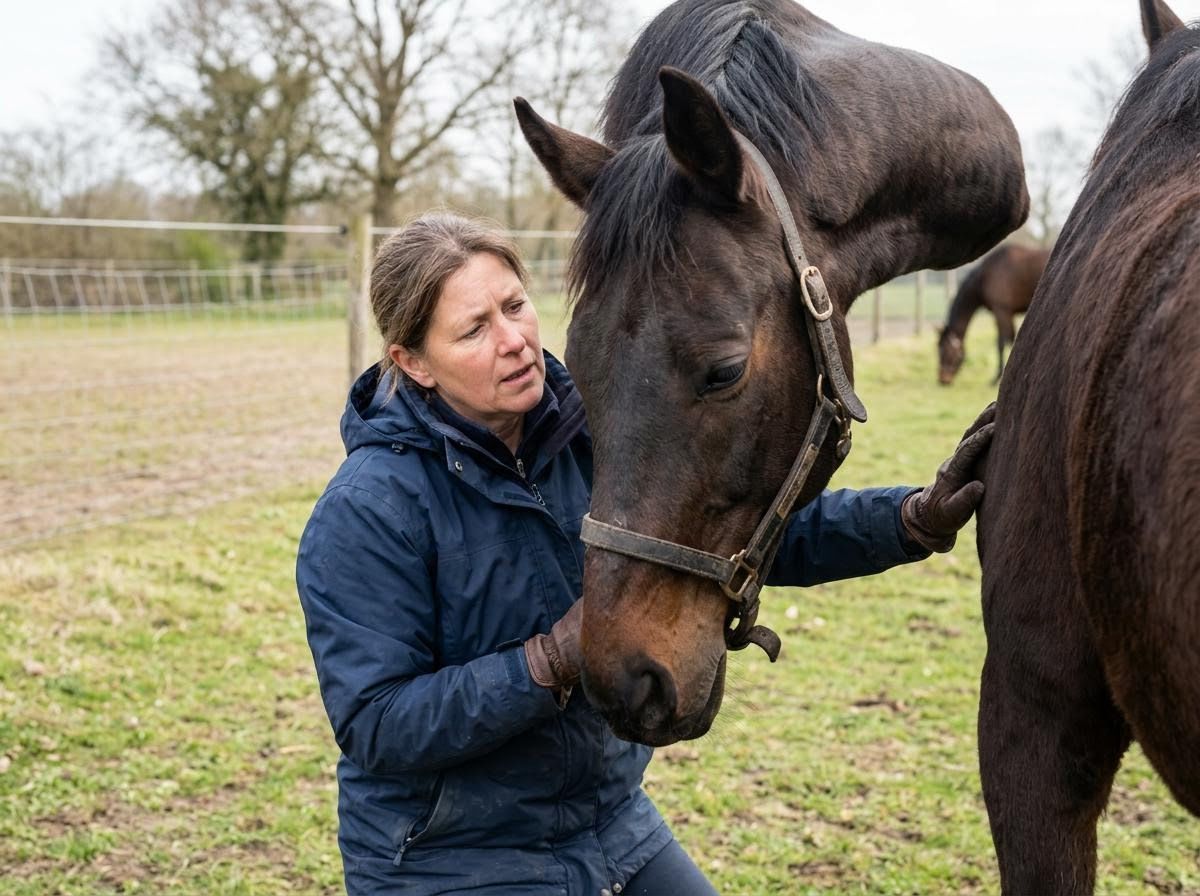
Recognizing Critical Warning Signs
Large animals, including horses, cattle, sheep, pigs, and goats, often exhibit subtle signs before a condition becomes critical. It's essential to be vigilant for changes in behavior, appetite, and general demeanor. Any sudden onset of lethargy, unresponsiveness, or severe depression should raise an immediate red flag. Observe for significant alterations in eating or drinking habits, unusual vocalizations, persistent discomfort, or reluctance to move. Swelling, abnormal discharges, or difficulty breathing are also clear indicators that professional help may be needed. Early detection of these changes is key to prompt and effective treatment.
Common Large Animal Emergency Scenarios
Certain conditions in large animals are universally recognized as emergencies. For horses, severe or unrelenting colic, acute lameness, profuse bleeding, choke (esophageal obstruction), or any neurological signs demand immediate attention. Cattle owners should be wary of bloat, difficult calvings, sudden lameness preventing weight-bearing, or a "downer cow" that cannot rise. In small ruminants and pigs, farrowing or kidding difficulties, significant respiratory distress, or severe, sudden illness warrant an urgent call to a large animal vet. These scenarios require a swift response to prevent irreversible damage or life-threatening complications.
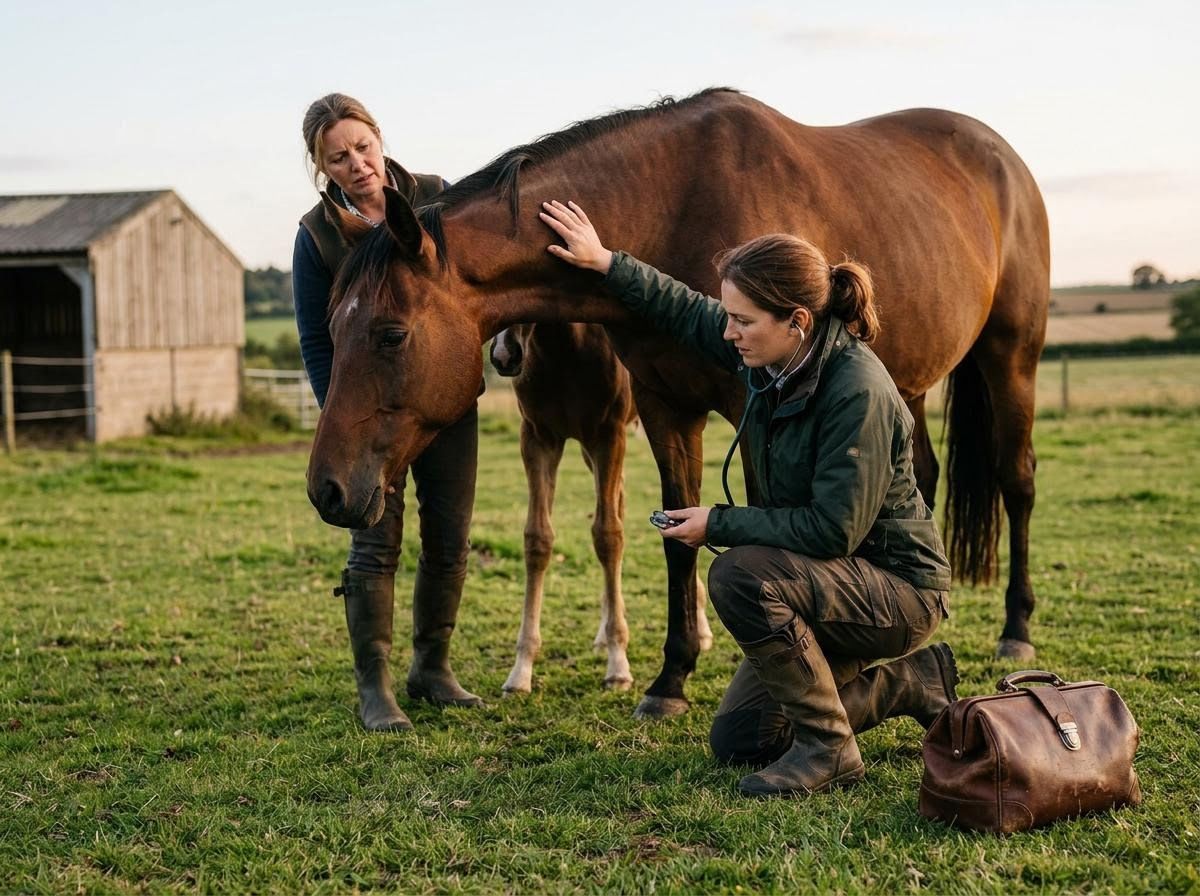
The Urgency Factor: When to Contact Your Veterinarian Immediately
Deciding whether to call a large animal vet immediately or to monitor your animal can be challenging. Always err on the side of caution if you observe signs of persistent, severe pain, a rapidly worsening condition, or any injury that appears life-threatening, such as major bleeding or an open fracture. Difficulty breathing, collapse, or unconsciousness are unequivocal emergencies. Additionally, a prolonged or difficult labor, prolapse, or any situation where the animal is unable to stand or move normally signifies a critical need for an emergency veterinary clinic. When in doubt, it is always best to contact your veterinarian for guidance; they can help assess the situation over the phone.
Preparing for an Emergency Veterinary Call
When you suspect an emergency and contact your veterinary team, having key information ready can significantly streamline the process. Be prepared to provide a detailed history of your animal, including the current symptoms, when they started, their severity, and any changes you've observed. Inform your veterinarian of any medications the animal has received. For mobile services, clearly communicate your precise location. Ensuring the animal is in a safe, accessible area for the veterinarian to examine will also facilitate faster and more effective care. This preparation helps the emergency veterinary clinic respond as efficiently as possible.
Understanding when to seek immediate veterinary care for your large animals is a cornerstone of responsible animal ownership, influencing the prognosis and well-being of your livestock. Prompt action, combined with expert veterinary intervention, significantly improves outcomes during critical health events. As a trusted livestock veterinarian and a leading large animal vet hospital in the region, Raven Rock Large Animal Hospital offers comprehensive, compassionate care and 24/7 emergency services, ensuring support for the agricultural community. To familiarize yourself with our full range of emergency services and how we can support your animals, please explore our website.