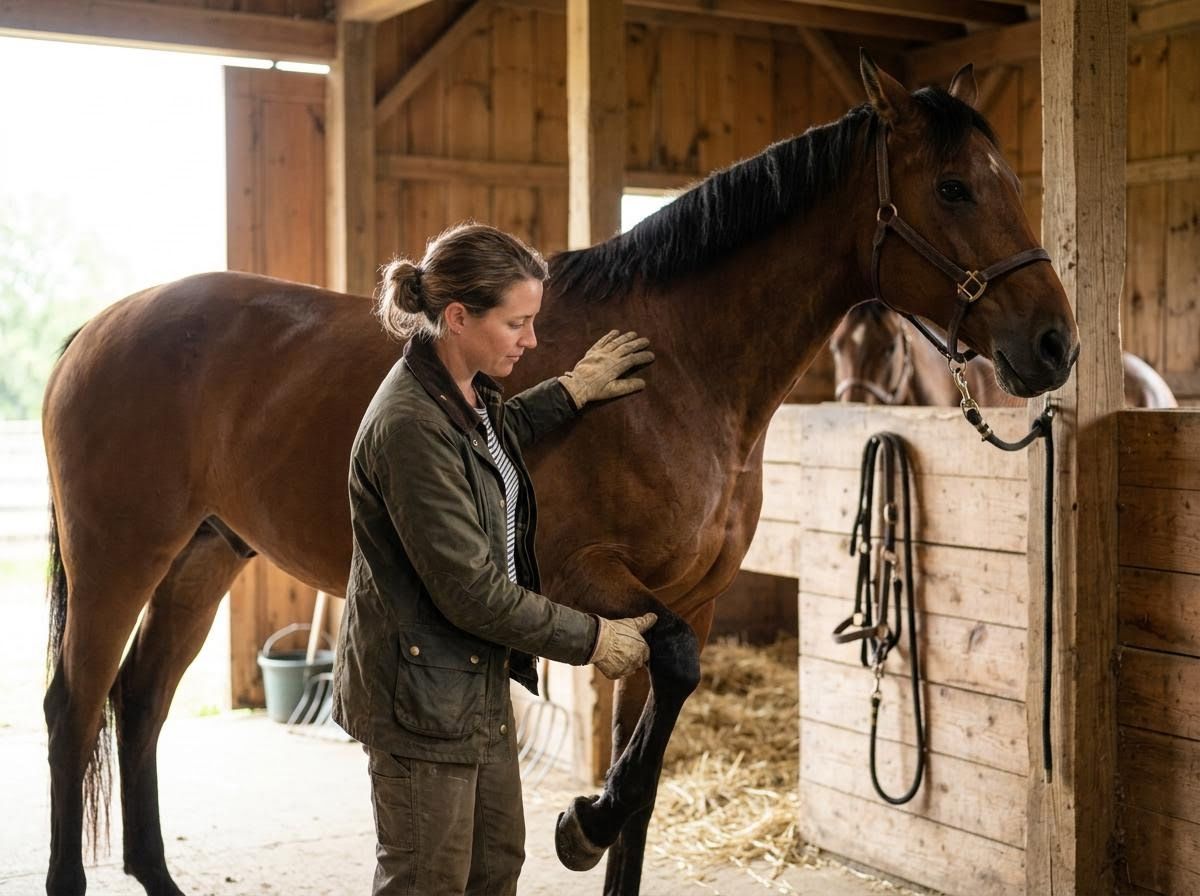
For owners of horses, cattle, sheep, pigs, and goats, understanding the health of your animals is paramount to their well-being and productivity. Regular wellness checks are a critical proactive measure, enabling early detection of potential issues before they become serious. At Raven Rock Large Animal Hospital, we empower our clients with the knowledge to maintain optimal health for their cherished livestock and pets. This guide provides a step-by-step approach to conducting these essential checks, ensuring you can confidently monitor your animals between professional visits.
The Daily Visual Scan: Observing Normal Behavior
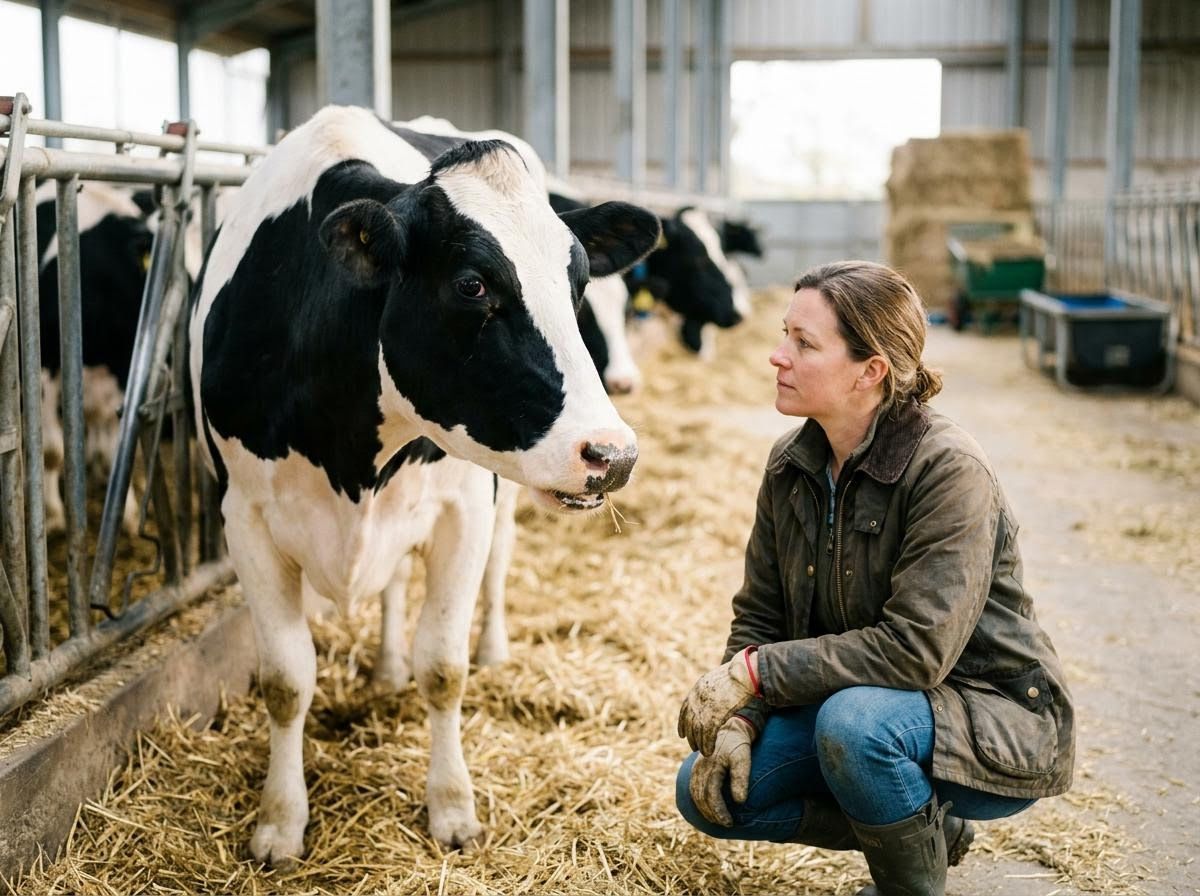
The first and often most revealing step in a wellness check is simply observing your animal’s normal behavior and appearance. This routine should ideally happen at least once daily. Look for changes in appetite or water consumption – an animal refusing to eat or drink is often the first sign of trouble. Pay attention to how they move: are they limping, standing oddly, or showing reluctance to bear weight? Their posture, alertness, and interaction with other animals in the herd or flock can also provide valuable clues. Note any discharge from the eyes or nose, coughing, or labored breathing. A healthy animal should be bright, alert, and engaged with its surroundings.
Hands-On Assessment: A Closer Look
After your initial visual scan, a hands-on assessment allows for a more detailed examination. Begin by checking their coat – it should be clean, shiny, and free of excessive shedding, parasites, or lesions. Gently palpate their body, feeling for any unusual lumps, bumps, swelling, or areas of tenderness. Examine their eyes for clarity, redness, or discharge, and their ears for cleanliness and any signs of infection. Open their mouth to check their gums, which should be pink and moist; pale or discolored gums can indicate a problem. Lastly, lift their hooves or feet to check for cracks, tenderness, foreign objects, or any signs of injury or infection, which is especially important for performance animals or those that spend significant time on varied terrain.
Monitoring Vital Signs and Environment
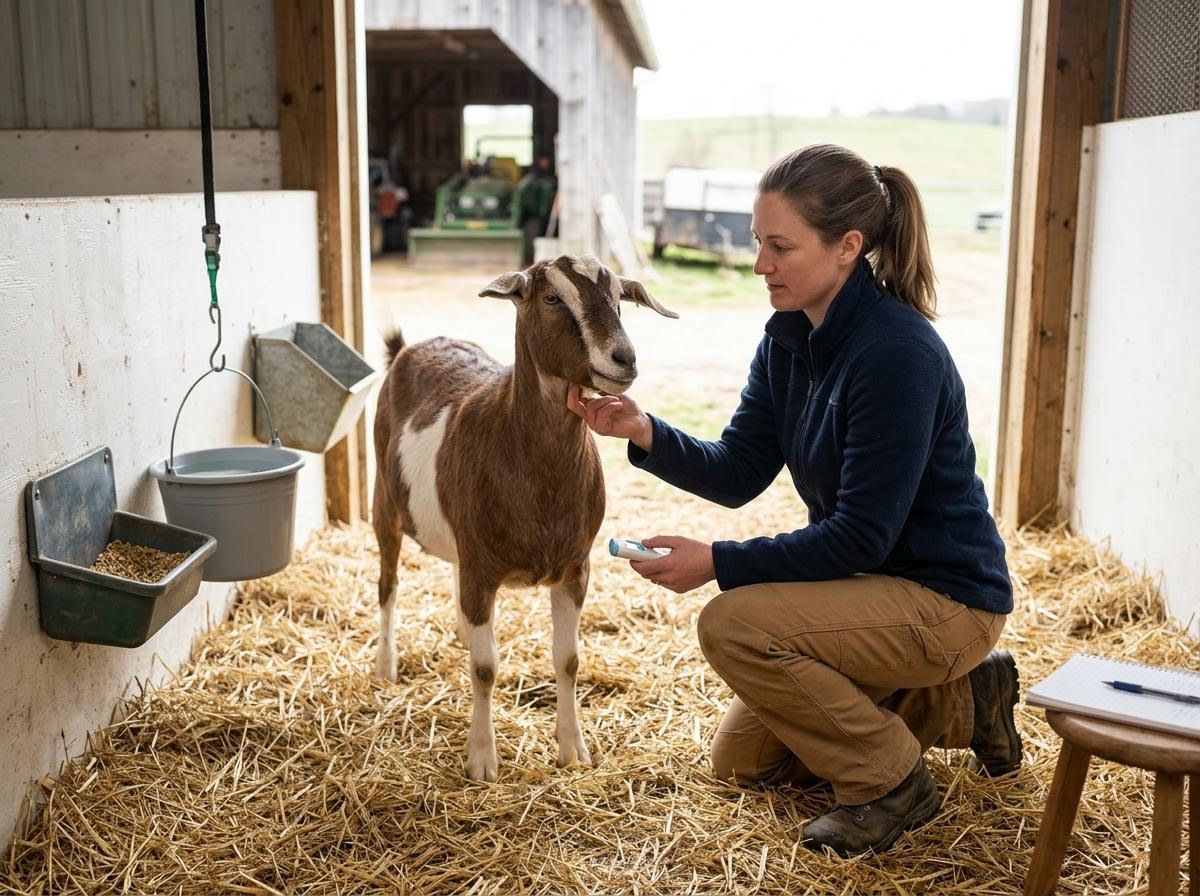
While a large animal vet will perform a comprehensive physical exam, knowing how to take basic vital signs can be incredibly helpful for owners. Familiarize yourself with your animal’s normal temperature, pulse rate, and respiration rate. Any significant deviation can signal an underlying issue. Beyond the animal itself, assess its environment. Is their stall or enclosure clean and well-maintained? Is there fresh, clean water available at all times? Is their feed appropriate for their species, age, and activity level, and are they consuming it normally? Monitoring these factors provides a holistic view of your animal's health and can often highlight potential stressors or deficiencies. This proactive attention is a hallmark of responsible livestock veterinarian care.
When to Call the Professionals
While daily wellness checks are invaluable for early detection, they are not a substitute for professional veterinary care. Knowing when to contact an expert is crucial. If you observe persistent changes in behavior, unusual discharges, lameness that doesn't resolve quickly, significant swelling, fever, or any other signs of distress, it's time to reach out. For residents needing a hopkinton nh vet, immediate action is particularly important in emergency situations. Don't hesitate to call your veterinarian if you are unsure or concerned. Early intervention by a qualified large animal vet can often prevent minor issues from escalating into serious health crises, providing the best possible outcome for your animal.
Regular wellness checks are a cornerstone of responsible large animal care, fostering a deeper connection between you and your animals while proactively safeguarding their health. By combining your diligent observations with the expertise of your veterinary team, you ensure a lifetime of optimal well-being. Should you ever have concerns or require specialized care, remember that the comprehensive services offered by a dedicated large animal vet hospital like Raven Rock Large Animal Hospital are always available. For further guidance on maintaining your animals' health, consider scheduling a consultation to discuss tailored wellness plans.