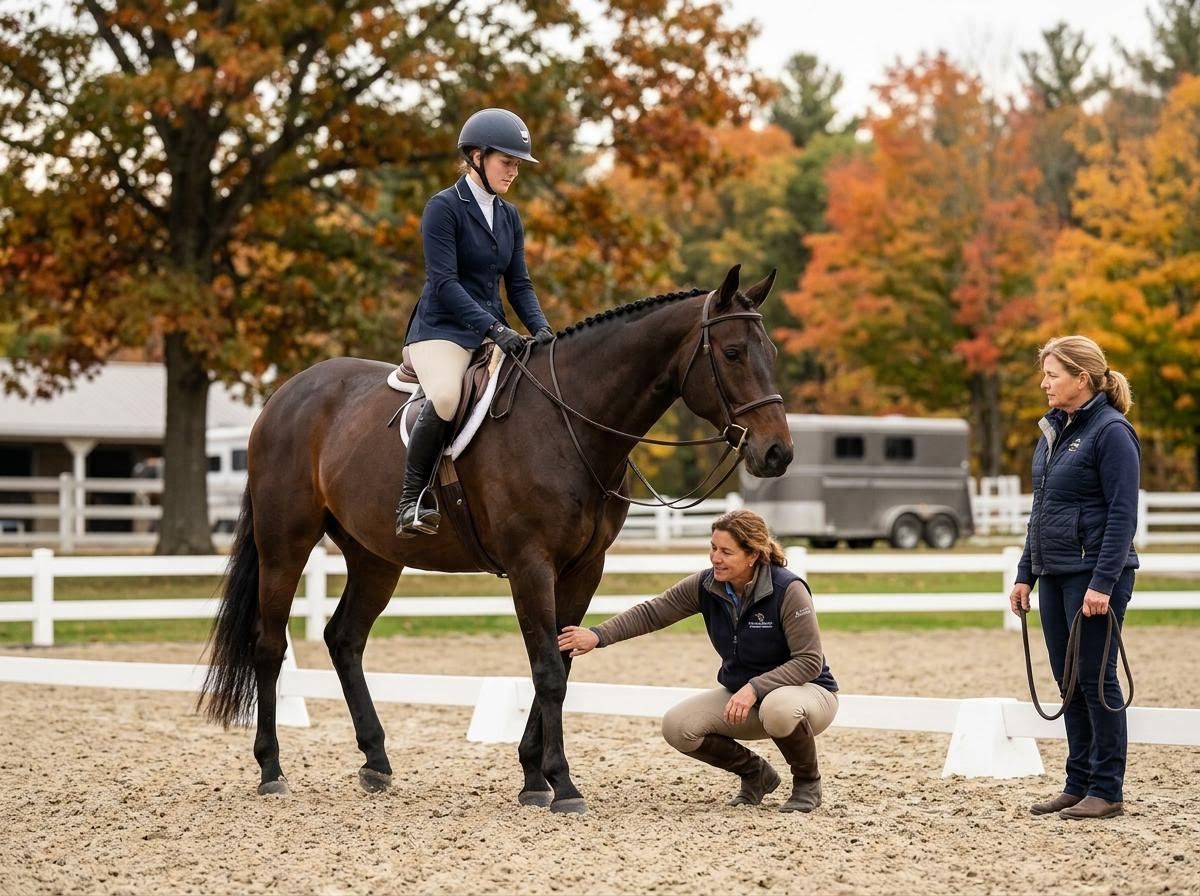
The crisp air of autumn often signals the peak of show season, but with the excitement comes a heightened need for vigilance in managing our equine athletes. As temperatures shift and training intensifies, the risk of lameness in show horses can increase, impacting performance and overall well-being. At Raven Rock Large Animal Hospital, led by Dr. Rebecca Rifkin, DVM, PhD, we understand the dedication involved in preparing a show horse, and our comprehensive approach to preventative care is designed to keep your equine partners sound and competitive throughout the fall.
Understanding the Fall Transition and Biosecurity
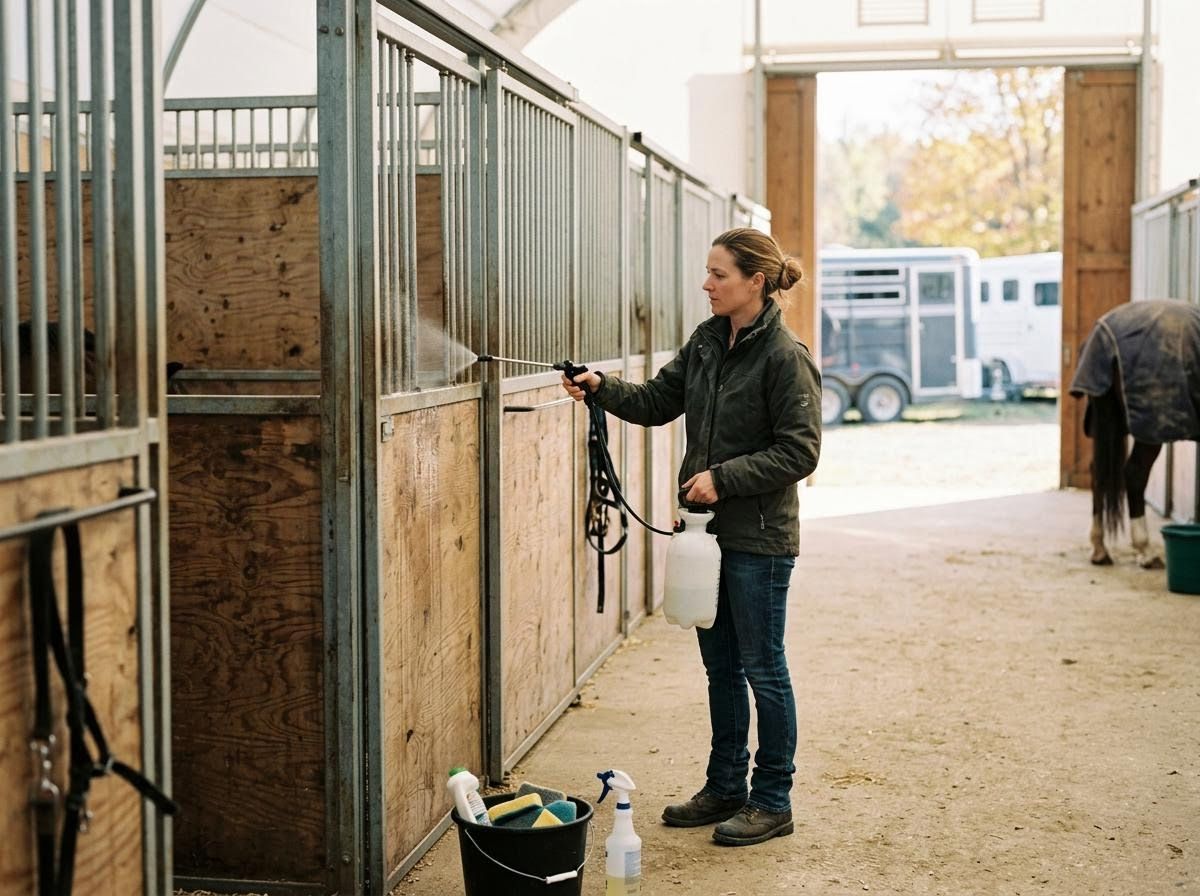
The transition from summer to fall brings unique challenges that can predispose show horses to lameness. Cooler weather might encourage more vigorous exercise, but changes in ground conditions—from firm summer footing to potentially slick or frozen terrain—demand careful attention. Furthermore, increased travel to shows across New England, including Maine, Vermont, Massachusetts, and Connecticut, means horses are exposed to new environments and other animals, heightening the need for robust biosecurity protocols. Diligent disinfection of trailers and stalls, alongside monitoring for any subtle signs of illness or injury after travel, forms a crucial first line of defense against problems that can manifest as lameness or complicate recovery.
Proactive Hoof and Joint Management
The foundation of a sound show horse lies in impeccable hoof care and healthy joints. Regular, expert farrier visits are non-negotiable, especially during an active show season. Discussing your horse's workload, specific disciplines, and typical show footing with your farrier can help determine the most appropriate shoeing or trimming schedule and style. Beyond the hooves, maintaining joint health is paramount. Consider a tailored nutritional plan, high-quality joint supplements, and discuss proactive therapies with your veterinarian, such as targeted injections or regenerative medicine, which can support joint integrity and mitigate wear and tear before it becomes debilitating.
Strategic Conditioning and Early Detection
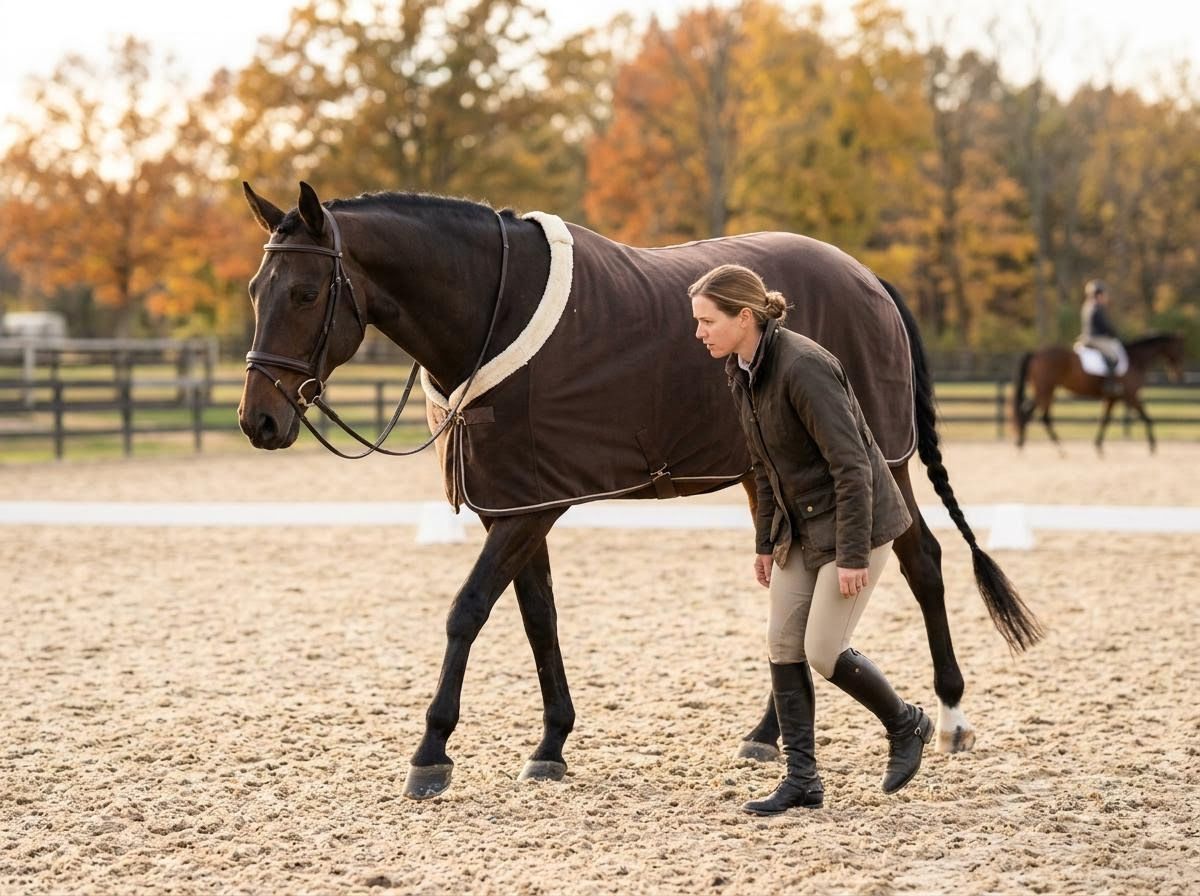
Effective conditioning is more than just fitness; it's about building resilience to prevent injury. A well-planned exercise regimen should gradually increase intensity and duration, incorporating varied terrain to strengthen different muscle groups and connective tissues. Crucially, pay close attention to proper warm-up and cool-down routines, which prepare the body for exertion and aid in recovery. Horse trainers and owners should become adept at recognizing the earliest, most subtle signs of discomfort or altered gait. This might include a change in attitude, slight reluctance to perform, or an uneven stride that's barely perceptible. Early detection is key; what seems like a minor issue can quickly escalate if left unaddressed.
Leveraging Advanced Diagnostics for Prevention
When a subtle issue arises, or even as part of a proactive screening program, state-of-the-art diagnostics play an invaluable role in preventing lameness from progressing. Technologies such as digital radiography, ultrasound, MRI, and scintigraphy allow veterinarians to pinpoint the exact location and nature of soft tissue or bony lesions that might not be visible externally. These advanced tools enable precise diagnosis and targeted treatment plans, often catching potential problems before they become overt lameness. Incorporating diagnostic evaluations into a preventative strategy, particularly for high-performance show horses, exemplifies a cutting-edge approach to maintaining soundness.
Ensuring your show horse remains sound and competitive through the fall season requires a holistic and proactive approach. From meticulous daily care and strategic conditioning to proactive veterinary oversight and advanced diagnostics, every detail contributes to their overall health. By partnering with experienced equine veterinarians who offer both comprehensive hospital care and convenient mobile services, you can address potential issues swiftly and effectively. For guidance on creating a customized preventative lameness plan for your equine athlete this fall, we encourage you to explore the comprehensive services offered by Raven Rock Large Animal Hospital.