For those dedicated to the health and performance of their equine partners, recognizing subtle changes can be the key to averting more serious issues. Performance horses, much like elite athletes, often display early warning signs of discomfort or illness that can easily be overlooked amidst demanding training schedules and competitions. At Raven Rock Large Animal Hospital, led by Dr. Rebecca Rifkin, DVM, PhD, we understand the critical importance of early detection and how it contributes to your horse's long-term well-being and success.
Observing Behavioral Shifts
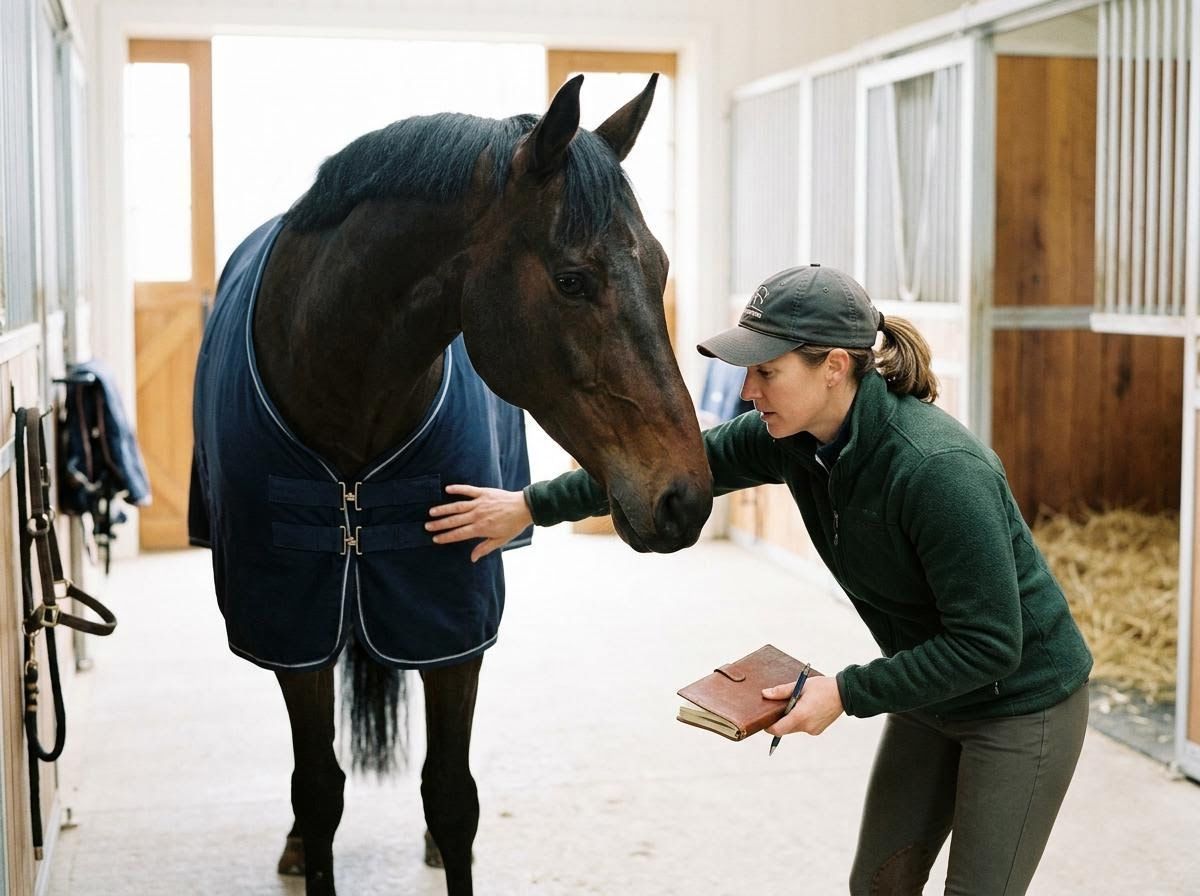
A horse's behavior is a powerful indicator of their health. Subtle changes in temperament, willingness to work, or general demeanor can signal underlying issues. For instance, a horse that is usually eager to engage might become withdrawn, irritable, or reluctant to perform certain tasks. Notice if your horse becomes particularly dull, spooky, or uncharacteristically aggressive. A sudden change in attitude, a reluctance to be tacked up, or an unusual resistance to cues might not just be a "bad day" but could point to discomfort or pain, such as gastric ulcers, back pain, or dental problems. Keeping a journal of daily observations can help you track these patterns and provide valuable information to your veterinarian.
Noticing Physical Indicators
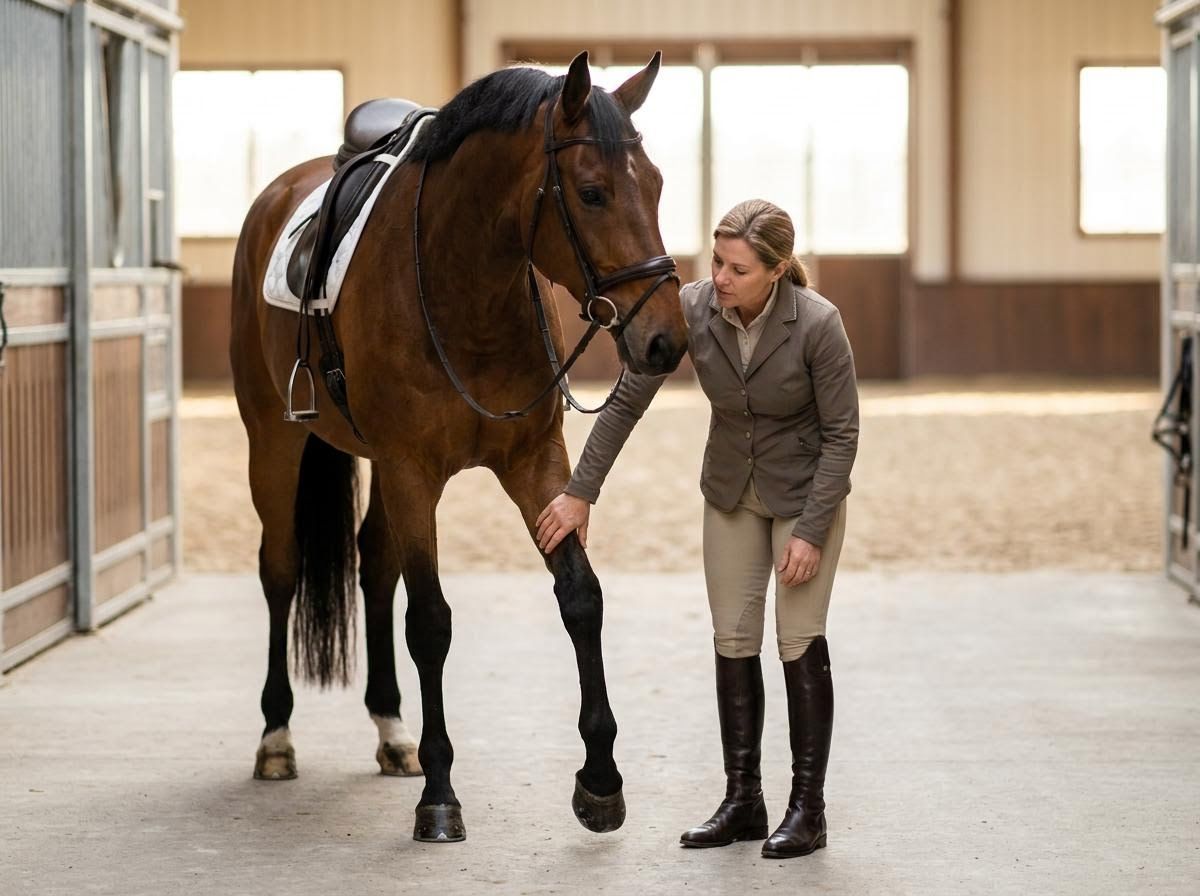
Beyond behavior, physical changes offer concrete clues. Regularly examine your horse for any new swellings, heat, or sensitivity, particularly in the limbs, back, or neck. Pay close attention to their appetite and water intake; a decrease in either could be significant. Changes in manure consistency, coat quality, or body condition can also be red flags. Even minor lameness, a slight head bob, or an uneven stride, especially under saddle, warrants careful observation. These seemingly small deviations can often be the first external signs of issues ranging from joint inflammation to hoof problems, and addressing them promptly can prevent progression to chronic conditions.
Tracking Performance Declines
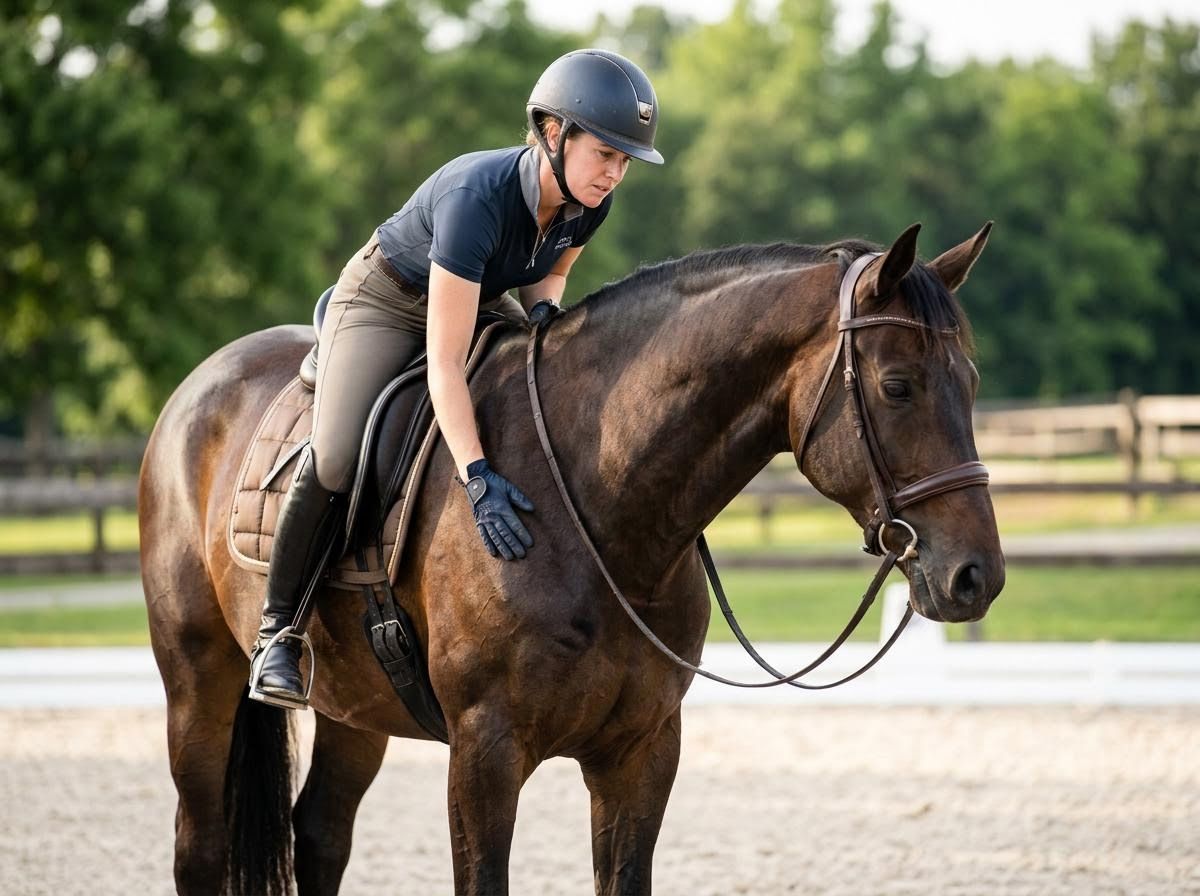
Performance horses are finely tuned athletes, and even marginal dips in their capabilities can indicate a health concern. You might notice a decreased willingness to collect, a loss of impulsion, or an inability to maintain a particular gait. For jumping horses, this could manifest as an increased number of refusals or knocking rails that were previously cleared with ease. Dressage horses might struggle with lateral movements or lead changes. These performance changes are often subtle at first and can be attributed to training issues or rider error. However, if these issues persist despite appropriate training adjustments, it's crucial to consider an underlying physical cause.
The Value of Proactive Veterinary Care
The partnership between owner and veterinarian is paramount in safeguarding your performance horse's health. Regular wellness exams, pre-purchase exams, and consistent dental care are vital components of a proactive health strategy. Utilizing advanced diagnostic tools like digital radiography, ultrasound, and endoscopy can help identify issues before they become debilitating. When you notice any of the aforementioned signs, don't hesitate to reach out to an experienced large animal vet. Early intervention, guided by a comprehensive understanding of equine anatomy and physiology, can lead to quicker recovery times and preserve your horse's athletic career.
Maintaining peak performance in your equine partner requires a keen eye and a proactive approach to their health. By diligently monitoring behavioral, physical, and performance indicators, you can provide the best possible care for these magnificent athletes. If you observe any concerning signs, remember that early diagnosis is critical for effective treatment and positive outcomes. For comprehensive large animal vet services, including advanced sports medicine, diagnostic imaging, and emergency veterinary clinic support, learn more about how Raven Rock Large Animal Hospital's mobile large animal vet hospital can serve your needs across New England.